Manufacturing for Interior Designers
Manufacturing Solutions for Interior Designers & Architects
Manufacturing forms the foundation of modern interiors and efficient home planning. By integrating design with fabrication, designers and architects achieve better precision, faster execution, and superior quality control.
From residential interiors to turnkey projects and design-build workflows, our manufacturing approach ensures seamless coordination between concept, production, and installation — delivering functional, refined, and cost-effective spaces.
On All Designs
0
+
House Design Completed
0
+
Ongoing Projects
0
+
Custom Interior Packages
0
+
+
Years Of Experience
What Does Manufacturing Mean
What Does Manufacturing Mean in Interior & Architectural Projects?
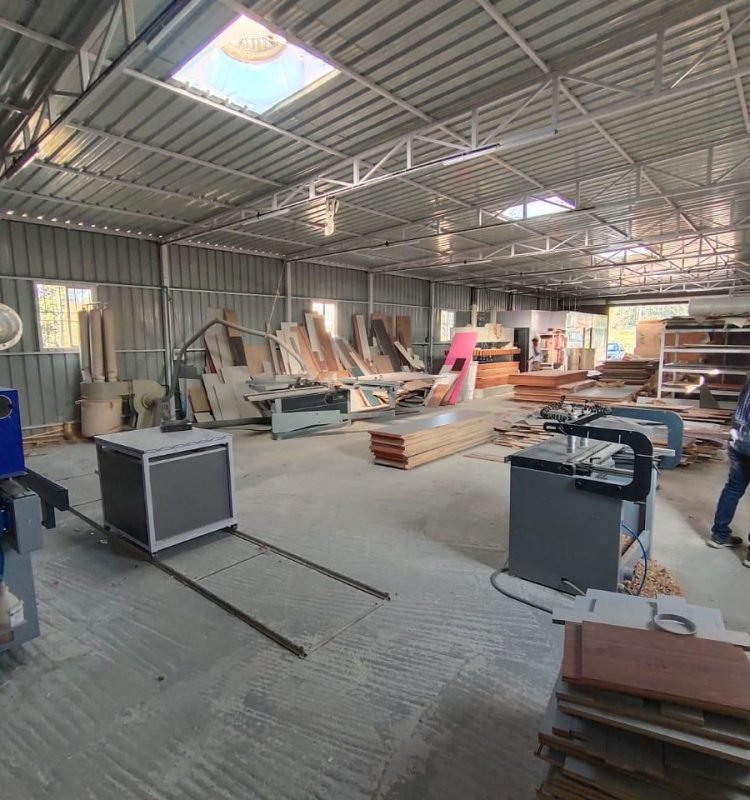
In home planning, manufacturing refers to producing custom-built elements and fabricated components tailored to design specifications.
Common manufactured items:
◆ Modular kitchens & wardrobes
◆ Doors & door frames
◆ Custom furniture & cabinetry
◆ False ceiling & panel systems
◆ Glass partitions & railings
◆ Metal fabrication & staircases
◆ Stone & solid surface countertops
Unlike retail sourcing, manufacturing allows full customization in size, finish, and performance.
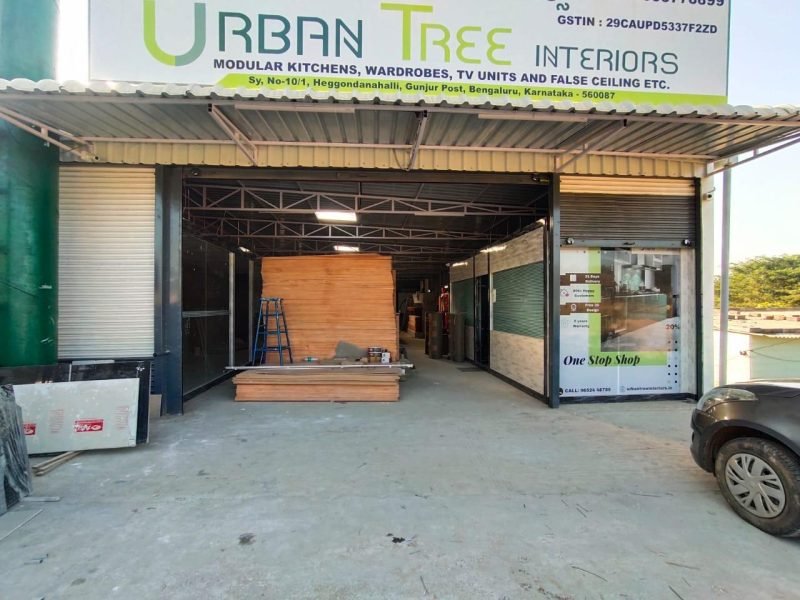
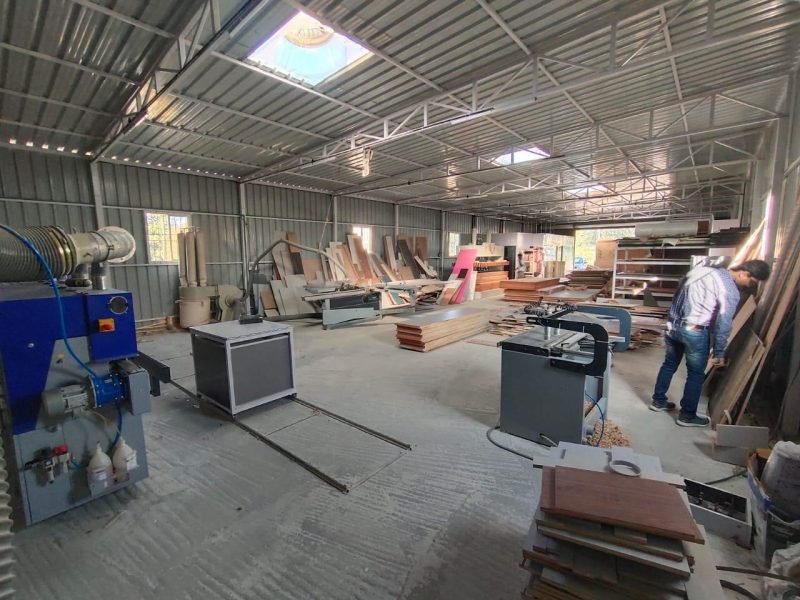
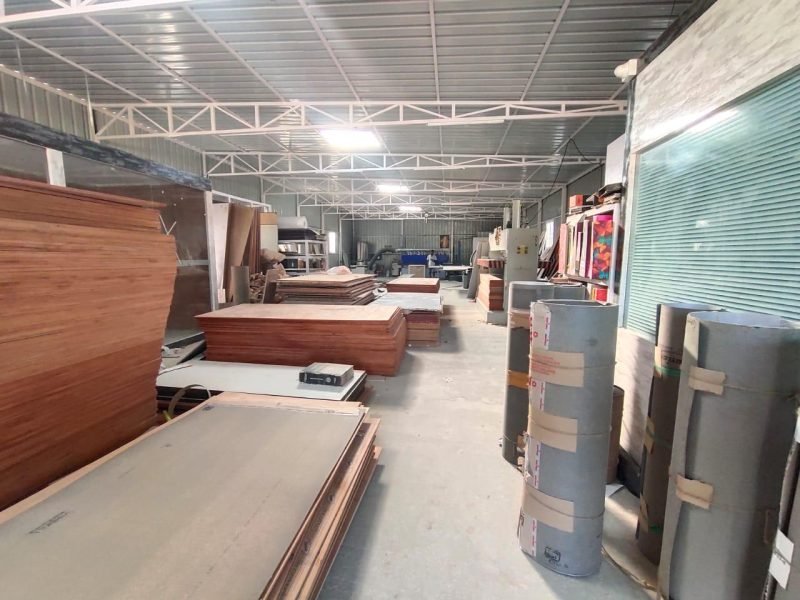
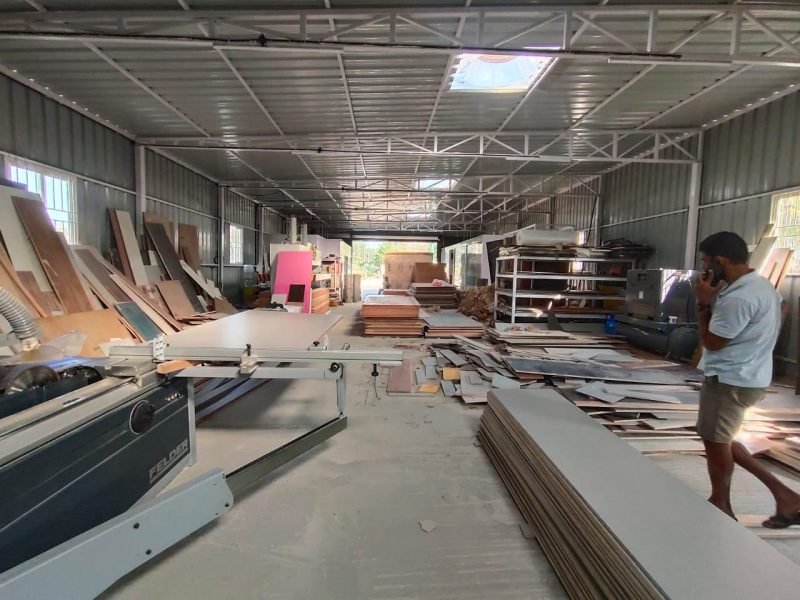

Why Manufacturing Matters
Why Manufacturing Matters in Home Planning
Precision & customization
Every element fits perfectly according to architectural drawings.
Better cost control
Factory production reduces waste and material overruns.
Improved quality & durability
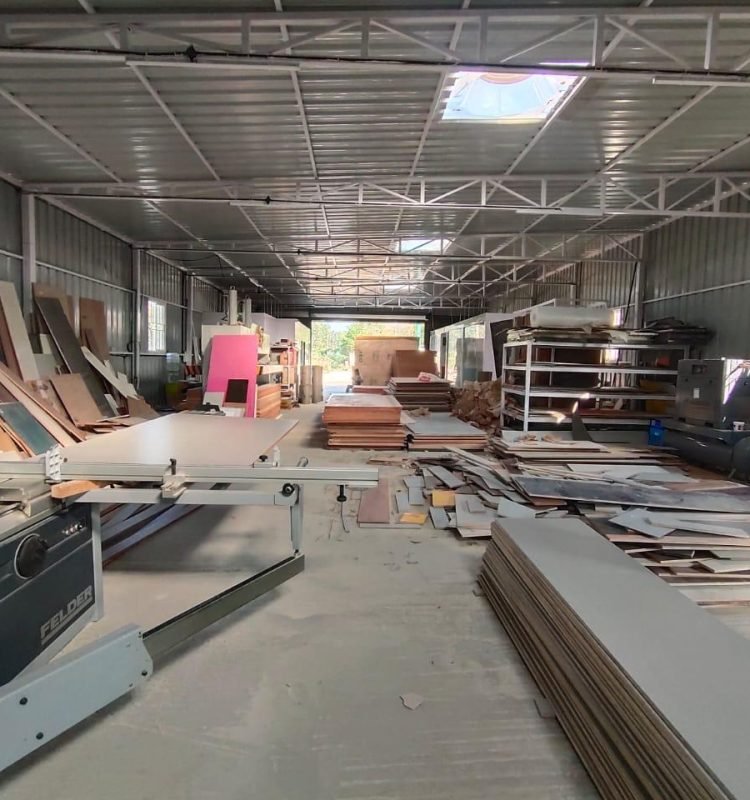
Controlled manufacturing environments ensure consistency.
Faster project execution
Parallel production reduces on-site work time.
Competitive advantage
Custom fabrication distinguishes your design firm from contractors.
Why Bengaluru Homeowners Love Urban Tree
Delivery in 45 days*
No Hidden Costs
Flat 10-Year Warranty
Easy EMIs
Turn Your Space into a Home You Love
Thoughtful designs, quality materials, and seamless execution—handled end-to-end by our interior experts.
Product Sourcing
Manufacturing vs Ready‑Made
| Factor | Manufacturing | Ready‑Made |
|---|---|---|
| Custom Sizes | Yes | Limited |
| Design Flexibility | High | Low |
| Quality Control | Controlled | Depends |
| Installation Speed | Faster (Modular) | Moderate |
| Cost Efficiency | Better for Projects | Good for Small Jobs |
Custom Sizes
Manufacturing
Yes
Ready‑Made
Limited
Design Flexibility
Manufacturing
High
Ready‑Made
Low
Quality Control
Manufacturing
Controlled
Ready‑Made
Depends
Installation Speed
Manufacturing
Faster (Modular)
Ready‑Made
Moderate
Cost Efficiency
Manufacturing
Better for Projects
Ready‑Made
Good for Small Jobs
✦ Assessment based on standard project scale & complexity
Manufacturing Scope in Residential Projects
Manufacturing Scope in Residential Projects
Types of Manufacturing Methods
Types of Manufacturing Methods
01
Modular Manufacturing
Factory-built modules assembled at site.
Examples: kitchens, wardrobes, office furniture
✔ Quick installation
✔ Consistent finish
02
Carpentry & Joinery Fabrication
Wood-based custom furniture and paneling.
Materials used:
Plywood & laminates
MDF & HDHMR boards
Veneer & solid wood
03
Metal Fabrication
Used for structural and decorative elements.
Applications:
Stair railings
Partitions & screens
Furniture frames
Loft storage supports
04
Glass & Aluminum Fabrication
Essential for modern home design.
Applications:
Shower partitions
Sliding windows
Office-style glass partitions
05
Stone & Solid Surface Fabrication
Used in kitchens and bathrooms.
Materials:
Granite & quartz
Marble
Acrylic solid surfaces
Setting Up a Manufacturing Network
Setting Up a Manufacturing Network
Designers and builders typically use:
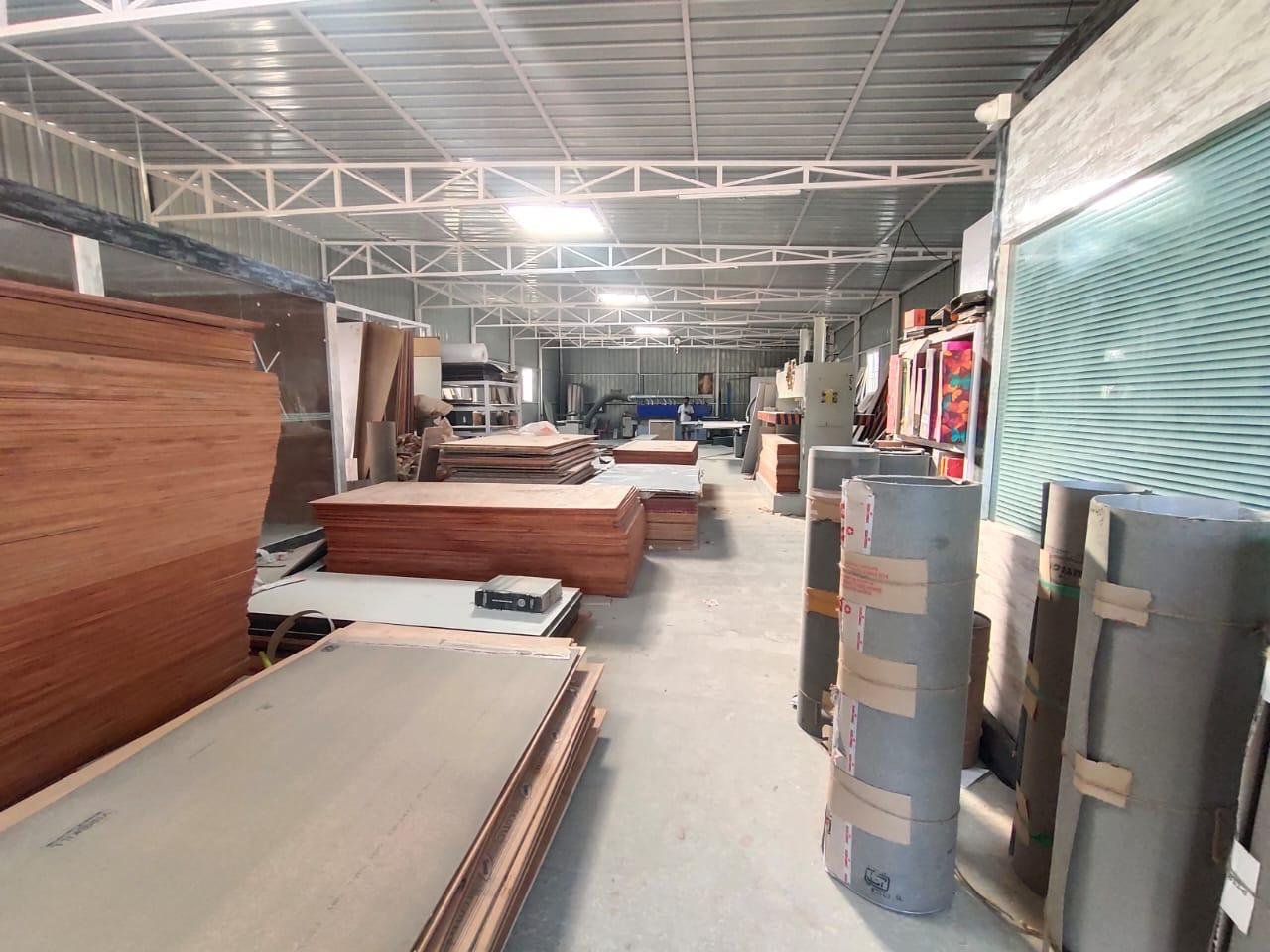
Factory tie-ups
Partner with modular kitchen and furniture manufacturers.
Local fabrication units
Carpentry, metal, and glass workshops.
In-house manufacturing
Large firms create their own production units.
Manufacturing Workflow
Manufacturing Workflow (Step-by-Step)
Materials Commonly Used in Manufacturing
Materials Commonly Used in Manufacturing
Wood & Panels
BWR/BWP plywood
HDHMR boards
Laminates & veneers
WPC boards (waterproof areas)
Hardware & Systems
Soft-close hinges & channels
Telescopic runners
Lift-up mechanisms
Finishes
PU polish
Laminate finishes
Acrylic & membrane finishes
Quality Control Checklist
Quality Control Checklist
Check panel thickness & grade
Ensure edge band sealing
Confirm hardware brand & durability
Verify polish & finish consistency
Inspect alignment & installation quality
Test drawers & shutters functionality
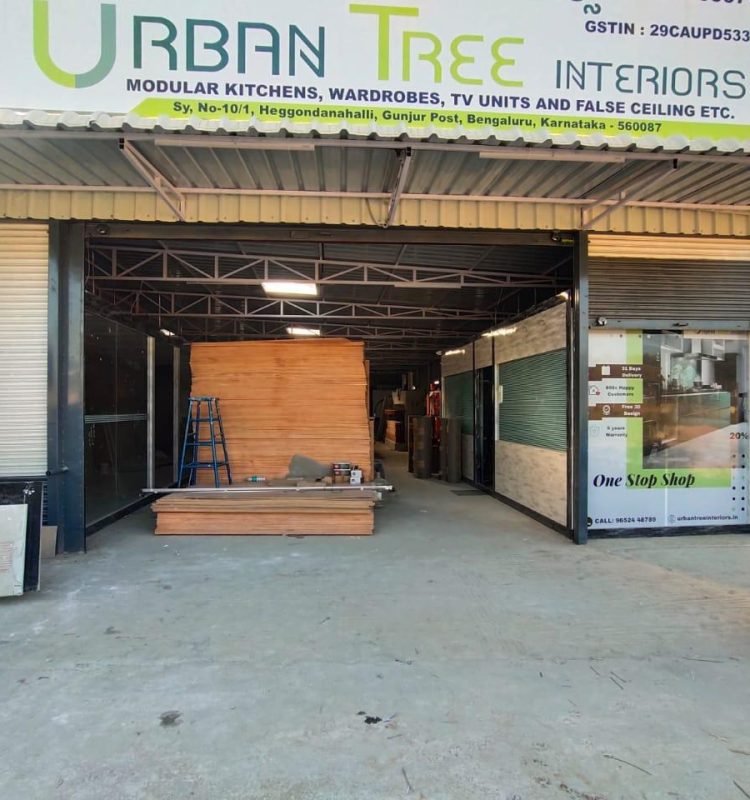
Cost Factors in Manufacturing
Cost Factors in Manufacturing
Costs depend on:
Material grade
Hardware quality
Finish type
Design complexity
CNC & automation usage
Installation requirements
💡 Example: Acrylic modular kitchen costs more than laminate but offers a premium finish.
Advantages of Manufacturing in Turnkey Projects
Advantages of Manufacturing in Turnkey Projects
Faster completion timelines
Reduced on-site labor dependency
Consistent quality across projects
Easier maintenance & replacement
Better warranty control
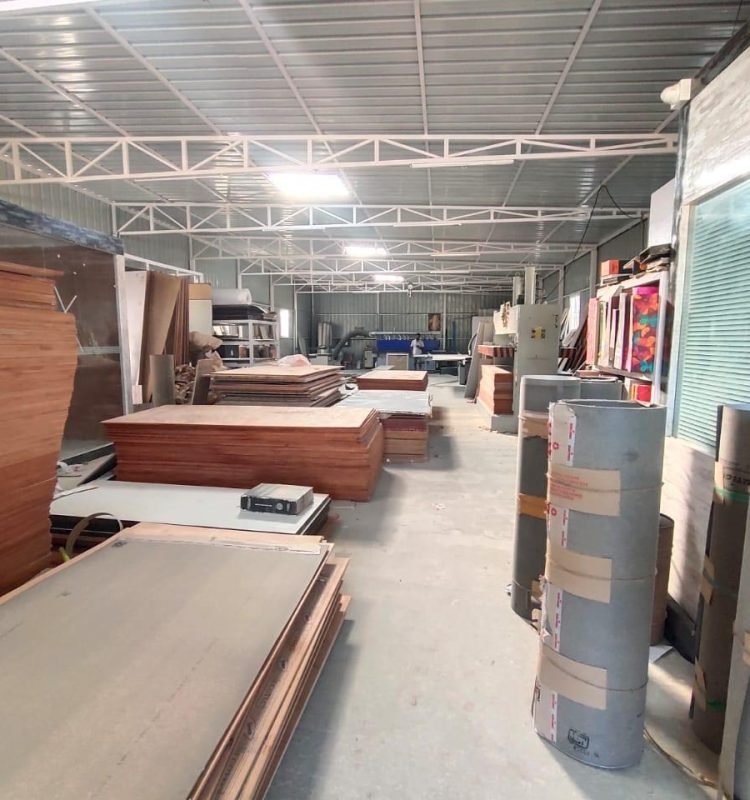
Common Challenges & Solutions
Common Challenges & Solutions
- Measurement errors
- Reconfirm site dimensions before production
- Delayed production
- Plan manufacturing schedule early
- Finish mismatch
- Approve samples & mockups
- Installation damage
- Proper packaging & trained installers
Future Trends in Interior Manufacturing
Future Trends in Interior Manufacturing
CNC & automation-based fabrication
Smart modular furniture
Sustainable & eco-friendly boards
Factory-finished components
Space-saving transformable furniture
Testimonial
What Our Interior Clients Say
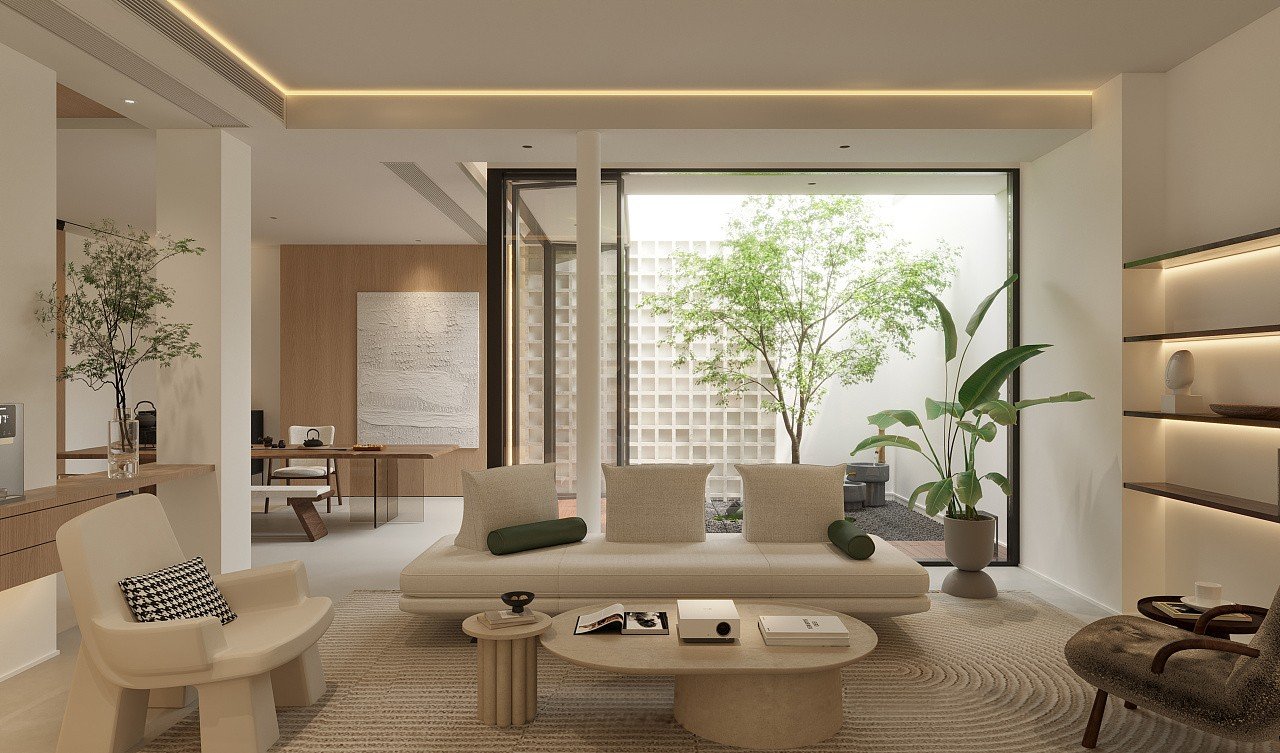
Urban Tree Interiors did an excellent job with our apartment interiors. They understood our requirements clearly and suggested layouts that made better use of space. The execution was smooth, and the final outcome looked exactly like the 3D designs we approved.
Sneha Iyer
Whitefield
We were looking for a reliable interior designer in Bangalore, and Urban Tree Interiors exceeded our expectations. Their team was transparent with pricing, followed timelines properly, and delivered quality work. The finishing and material quality were impressive.
Rohit Mehta
JP Nagar
From the first meeting to final handover, the entire interior journey was well managed. The designers were patient, listened to our ideas, and guided us with practical suggestions. Our home now feels warm, organised, and thoughtfully designed.
Ananya Rao
Yelahanka
Urban Tree Interiors handled our complete home interiors, including kitchen and wardrobes. The coordination was professional, and we received regular updates throughout the project. The team delivered on time without any stress or confusion.
Karthik S
Electronic City
What we liked most was their attention to detail and honest communication. The designs were functional, not overdone, and suited our daily lifestyle. We are very happy with the overall quality and would definitely recommend Urban Tree Interiors.
Pooja Nair
Sarjapur Road
Your Dream Home Starts Here
Manufacturing empowers interior designers and architects to deliver precision-built, durable, and aesthetically refined homes.
CONNECT WITH US
Let’s Design Your Dream Home
We’d love to hear your ideas & requirements. Fill out the form below, we will get in touch within 24 hours
Manufacturing in Interior Designer
Frequently Asked Questions
Manufacturing refers to producing custom-built components such as modular kitchens, wardrobes, furniture, doors, partitions, and architectural elements based on specific design and technical requirements.
Common manufactured items include modular kitchens, wardrobes, TV units, false ceilings, staircases, railings, CNC partitions, decorative panels, and custom furniture.
Modular manufacturing involves factory-built components that are pre-produced and later assembled at the site, ensuring faster installation, consistent quality, and reduced on-site work.
Manufacturing allows full customization in size, design, finish, and functionality, while ready-made products offer limited flexibility and may not suit specific design requirements.
Popular materials include BWR/BWP plywood, MDF, HDHMR boards, laminates, veneers, metal frames, glass panels, aluminum systems, granite, marble, and acrylic solid surfaces.
The process includes design drawings, production planning, fabrication, quality inspection, and final site installation to ensure accurate execution.
Metal and glass fabrication are widely used for stair railings, partitions, shower enclosures, façade elements, and modern architectural features that enhance aesthetics and functionality.
Professionals usually work with factory partners, local fabrication workshops, or establish in-house production units depending on project scale and business model.
Cost depends on material grade, hardware quality, finish type, design complexity, automation or CNC usage, and installation requirements.
Manufacturing improves execution speed, ensures consistent quality, reduces on-site dependency, allows better customization, and provides stronger control over timelines and outcomes.